museum
historic-site
-
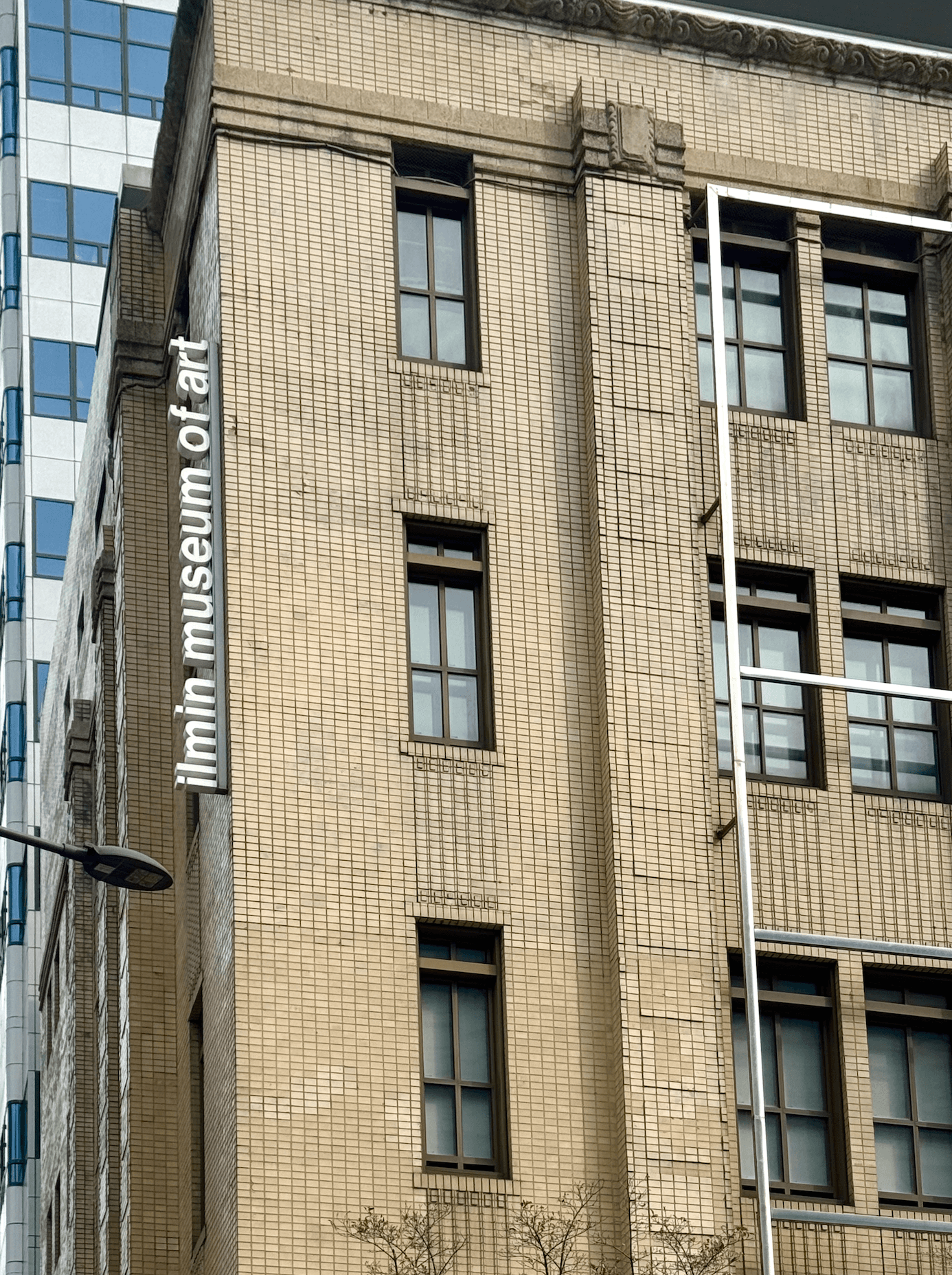
Ilmin Museum of Art, Seoul. Image courtesy of The Musee.
ILMIN Museum of Art 일민미술관
Seoul, South Korea · Built 1926 (as Dong-A Ilbo 동아일보 HQ)
Right on Sejong-daero facing Gwanghwamun 광화문, ILMIN Museum of Art sits in what used to be the Dong-A Ilbo newspaper headquarters — a spot that has watched Seoul’s political and media history unfold for almost a century. The building is a Seoul-designated tangible cultural property and one of the city’s key modern heritage sites, so you feel the mix of old downtown Seoul and today’s city right outside the door.
The building was completed in 1926 during the Japanese occupation and was designed by Japanese architect Makoto Nakamura as Korea’s first purpose-built newspaper office, with a reinforced-concrete and brick structure and a vertical window band running from entrance to roof that reflects early modernist taste. Newspapers were printed here until 1992, making it the country’s longest-used press building, before it was converted into the Ilmin Cultural Center and then Ilmin Museum of Art in the mid‑1990s, with later updates that preserve the original form while adding a more open, glass-and-steel atrium feel.
About the Museum
ILMIN Museum of Art is a private museum run by the Ilmin Cultural Foundation, created in memory of Kim Sang-man, former president of Dong-A Ilbo whose pen name was “Ilmin.” Inside, the floors are relatively compact, with exhibitions spread vertically across several levels, so it feels more like exploring an old newspaper building turned art space than a big white-box museum.
The museum focuses on Korean contemporary art while also drawing on the Ilmin Collection of older works — from Goryeo and Joseon ceramics to paintings and calligraphy — plus a documentary archive that connects visual art with media and history. The renovation keeps traces of the 1920s structure visible, so you’re constantly aware that this used to be a working newsroom and printing office.
Highlighted Artists/Works
Ilmin Collection — Around 430 works collected by Kim Sang-man, including Korean ceramics, paintings, and calligraphy from Goryeo and Joseon through the modern era, shown in rotation rather than as a permanent dense display.
Dong-A Ilbo / media collections — Historical photographs, illustrations, and media-related works from the newspaper archive that show how images and stories shaped modern Korea.
Contemporary Korean artists — Rotating exhibitions of Korean contemporary art (often installation, video, and photography) that use the building’s layered history as a quiet backdrop rather than fighting it.
Documentary archive — A dedicated program for documentary film and visual archives, unique in Korea, that treats non-fiction moving image as a core part of the museum’s identity.
Why It’s Worth Visiting
This is one of the few places in Seoul where you feel journalism, politics, and contemporary art stacked inside the same historic shell, rather than separated into different institutions. If you like spaces with a clear “before and after” story — colonial‑era modern building, postwar press, now an art space — ILMIN is a good fit, especially combined with a walk around Gwanghwamun and the nearby palaces.
Estimated visit time: 1 – 1.5 hours
Good to pair with Gwanghwamun Square, Gyeongbokgung, or Deoksugung on the same day.
Admission
General: 9,000 KRW.
Students: 7,000 KRW (under 24 with valid student ID).
Group visits (20+): General 8,000 KRW, Students 6,000 KRW (advance reservation, no double discounts).
Extra discounts: Various reductions on “Culture Day,” for seniors, people with disabilities, and some weekday lunchtime programs; Discover Seoul Pass and certain business cards can give free entry
Admission details are subject to change; check the museum’s official website before your visit
Updated:
Mar 2, 2026
Find out more here:
https://ilmin.org/