museum
-
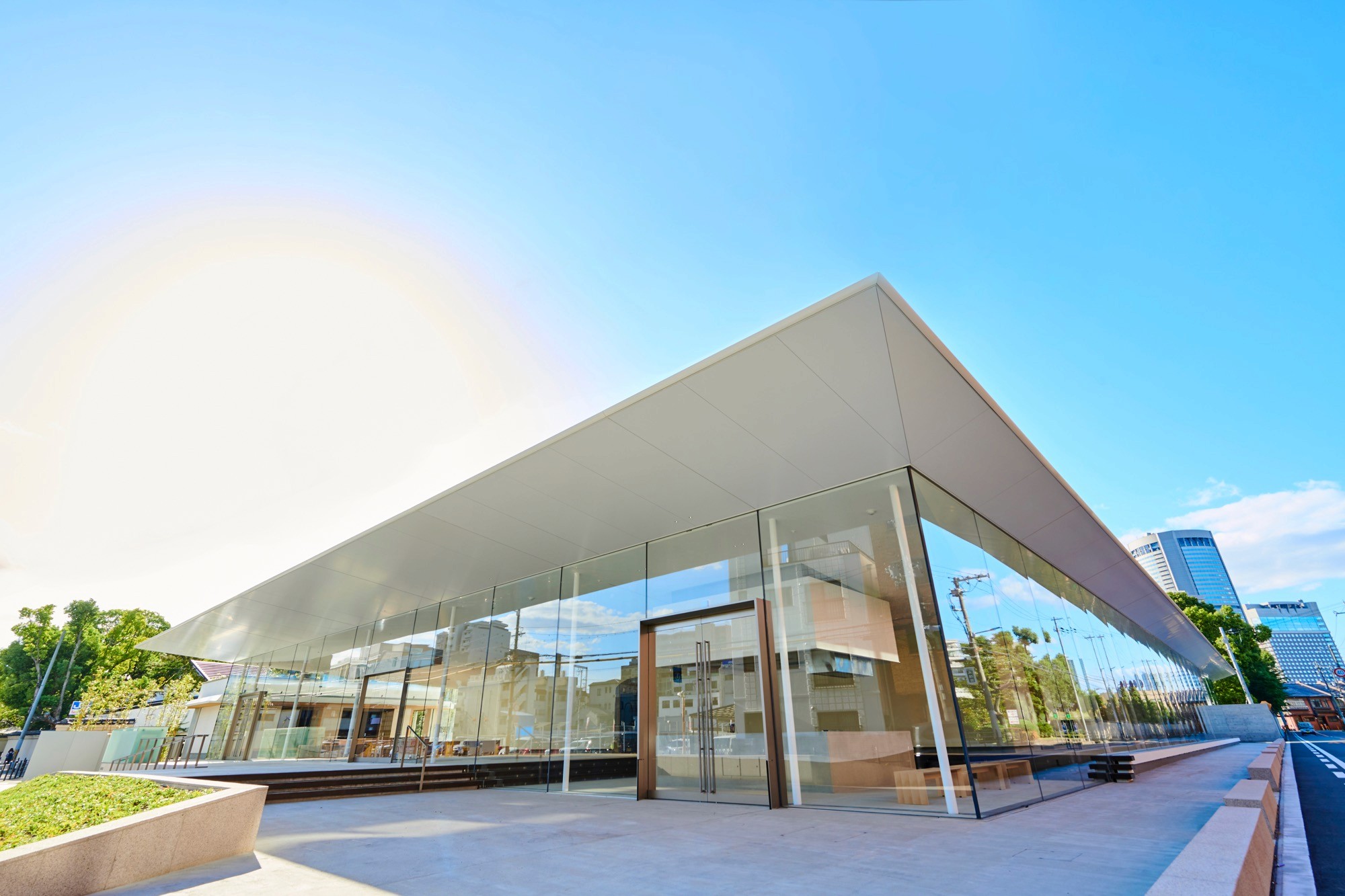
The Fujita Museum, Osaka. Image courtesy the Fujita Museum
Fujita Museum
Osaka, Japan · Built 1954 (renovated 2022)
Just north of Osaka Castle along the Okawa River, Fujita Museum sits on the former estate of industrialist and collector Fujita Denzaburō. It’s a quiet, almost residential corner of the city where you feel more like you’re entering a private compound than a public attraction, which fits a place built around one family’s obsession with art.
The museum grew out of a Meiji- and Taishō-era treasury that survived the 1945 Osaka air raids, protecting the collection even as the main house burned. The 2022 renewal keeps that “museum of a storehouse” character: compact, dimly lit rooms, thick walls, and a calm, slightly old-fashioned atmosphere, while quietly opening the grounds toward the neighboring riverside park.
Highlighted Artists/Works
Tea ceremony culture: Bowls, kettles, and utensils that show why Fujita Denzaburō was respected for his eye for chanoyu objects, and how taste, power, and everyday life intersected around the tea room.
Buddhist sculpture and ritual objects; Statues, sutra boxes, and temple pieces rescued during anti-Buddhist movements, telling the story of how religious art nearly left Japan and instead ended up in private treasuries.
National Treasure “Murasaki Shikibu Diary Illustrated Texts”: A rare Heian-period handscroll related to the world of The Tale of Genji, occasionally displayed in rotation due to its fragility.
Chinese bronzes and other Asian antiquities: Early ritual bronzes, calligraphy, and ceramics that place Japanese collecting taste within a wider East Asian context.
Paintings and calligraphy: Rotating selections of Japanese and Chinese works, from ink landscapes to refined scripts, kept intentionally small so you can actually look rather than sprint.
If you care about how private collectors quietly protected Japan’s cultural heritage, this is one of the clearest places to feel that story in the room. It’s especially good if you prefer focused, collection-based museums over big blockbuster institutions; you’ll actually remember individual objects when you leave.
Estimated visit time: 1.5 – 2 hours
Closed December 29 – January 5; small, changing exhibitions mean your experience will vary by season, so it’s worth checking what’s on before you go.
Admission Standard admission: 1,000 yen.
Free for visitors under 19 years old with valid ID.
Opening hours: 10:00–18:00.
Closed: December 29 – January 5.
Cashless payment is recommended; major credit cards, QuickPay, and most transportation IC cards are accepted (PiTaPa excluded).
as of February 28, 2026 — details may change, please check the official museum website before your visit.
Getting there: The museum is in Miyakojima Ward near the Okawa River, a short walk or local bus ride from Osaka Castle Park stations, so it’s easy to combine with a castle visit or riverside walk the same day.
Updated:
Feb 28, 2026
Find out more here:
https://fujita-museum.or.jp/