museum
-
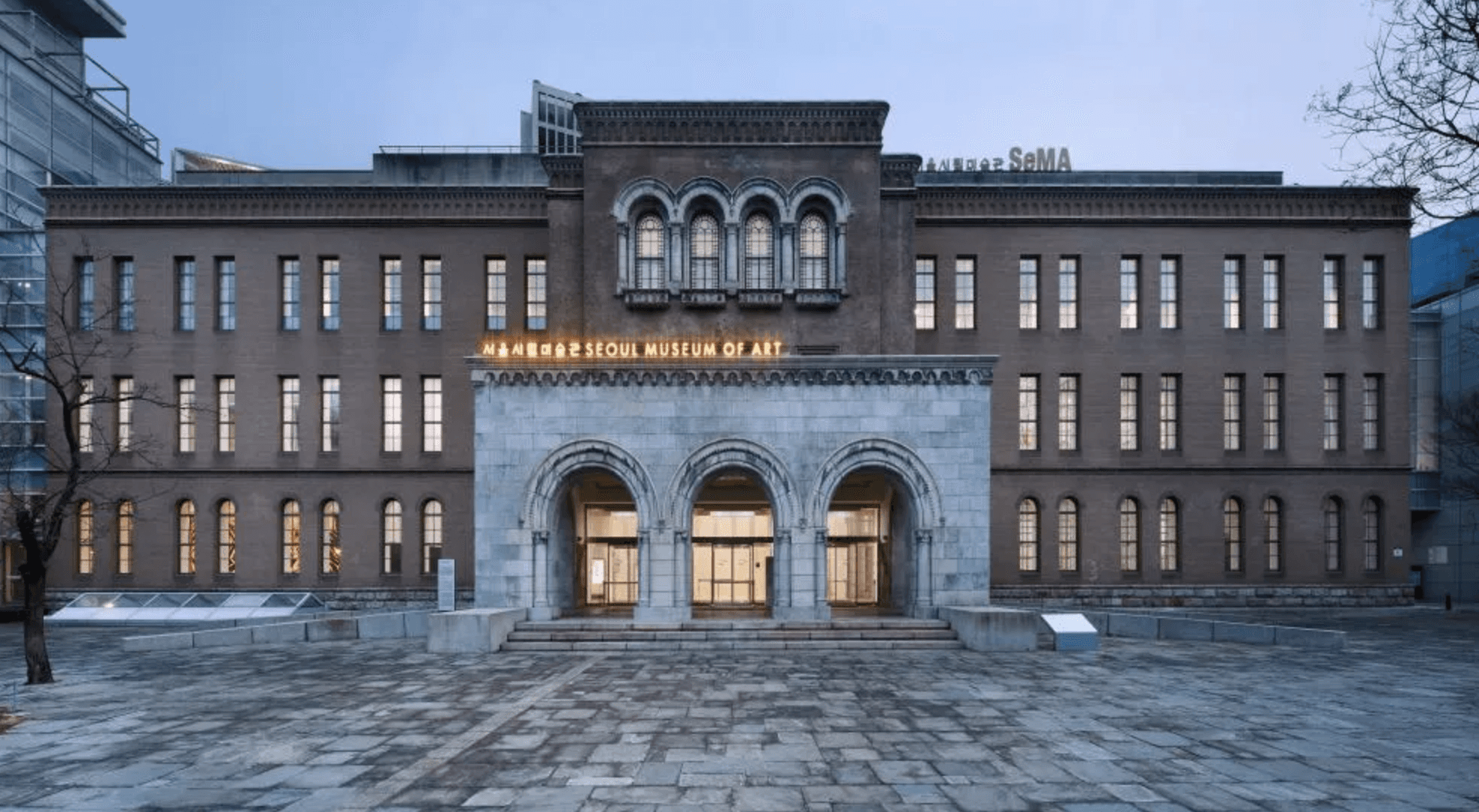
Seoul Museum of Art (SeMA) 서울시립미술관 is Seoul’s public contemporary art museum network, created by the city to spread culture across different neighborhoods rather than in a single central building. Since opening in 1988, it has grown into multiple venues that each have their own atmosphere and curatorial focus, making it easy to find a branch that matches the kind of art experience you want.
1. Why SeMA matters
SeMA is designed as a city-wide network, using several museums and project spaces to bring exhibitions, education, and residencies closer to where people live, rather than asking everyone to come downtown.
As a public museum run by the Seoul Metropolitan Government, it focuses on contemporary art, archives, and community programming, often highlighting Korean and Asian perspectives within a global conversation.
2. What visitors actually see (by location)
Here’s a simple snapshot of the main SeMA venues so people can decide where to go:
Seosomun Main Branch (Jung-gu) – Near Deoksugung and City Hall, in a building that combines the old Supreme Court façade with a modern glass-and-stone extension. Good for major contemporary exhibitions, accessible location, and a classic “city museum” feel.
Buk-Seoul Museum of Art (Nowon-gu) – A low, white, park-integrated building designed as a “cultural hill,” with rooftop gardens and strong links to the surrounding green space. Good for families, local community programs, and combining art with a park walk in northeast Seoul.
Nam-Seoul Museum of Art (Gwanak-gu) – Housed in a former Belgian Embassy residence, mixing Western-style historic architecture with contemporary art inside. Good if you like a more intimate scale and a house-like setting.
Photography Seoul Museum of Art (Photo SeMA, Dobong-gu) – Korea’s first public museum fully dedicated to photography, in a contemporary building with galleries and archival facilities designed specifically for photographic media. Good for visitors who are especially interested in photography, media, and image-based art.
Art Archives, Seoul Museum of Art (SeMA Art Archives) – A specialized branch that preserves documents, photos, and records of Korean contemporary art, with small exhibition and research spaces. Good for researchers or visitors curious about how exhibitions and art histories are documented.
SeMA Nanji Residency (Mapo-gu) – An artist-residency complex on Nanji Hangang Park, focused on studios, experimental projects, and exhibitions developed with resident artists. Good for seeing work-in-progress, experimental shows, and riverside public art.
SeMA Nam June Paik Memorial House (Jongno-gu) – A small house-museum and project space dedicated to media-art pioneer Nam June Paik, located where he once lived and worked. Good for fans of media art who want a focused, biographical stop rather than a large museum.
Seo-Seoul Museum of Art (Geumcheon-gu, opening 2026) – A new branch in southwest Seoul that will complete SeMA’s eight-venue system; announced as a venue with its own specialized contemporary focus for that district.
3. Why it’s worth going
Instead of one huge museum, SeMA lets you match the branch to your day: central and “classic” at Seosomun, park-integrated at Buk-Seoul, photography-specific at Photo SeMA, or artist-focused at Nanji and the Nam June Paik House.
The different architectures: from historic courthouse façade to park hill, embassy house, and purpose-built photo museum give each visit a distinct mood, so even repeat visitors can have very different experiences across the network.
Updated:
Feb 28, 2026
Find out more here:
https://sema.seoul.go.kr